
Which Beef Mince Is Best for Cottage Pie?
By Michael
Beef mince is sold at several fat percentages, and the number on the packet changes the pie more than most cooks expect. It affects the richness of the gravy, whether the filling feels juicy or dry, and how much fat you may need to spoon away. This guide explains each common choice and gives a practical recommendation.
What the fat percentage actually tells you
The percentage on a packet of mince describes how much of the meat is fat. At 5% fat, the pack is mostly lean beef. At 20%, a fifth of what you buy will melt into the pan as the mince cooks. Neither is automatically better. Fat carries flavour and keeps the finished filling feeling moist, but too much of it separates from the gravy and leaves the pie greasy.
Think of the percentage as a balance you are choosing before you start. Lean mince puts the burden on the stock, tomato purée, Worcestershire sauce and vegetables to supply richness. Fattier mince brings its own richness, but asks you to manage the fat it releases. Cottage pie sits comfortably between those extremes because the filling is simmered in gravy and covered with buttery mash; it does not need the leanest meat, and it does not benefit from the fattiest either.
The four common choices, compared
| Fat percentage | Flavour | What it does to the gravy | Texture | Notes |
|---|---|---|---|---|
| 5% | Clean and mild; the least beefy of the four | Stays lean and can taste thin unless the stock and seasonings are well judged | Can be firm, crumbly and a little dry, especially if overcooked | Releases little fat, so draining is rarely needed; the gravy has to do more work |
| 10% | Clearly beefy without being heavy | Rich enough to coat the meat, with only a little fat to manage | Tender and juicy in a simmered filling | A reliable all-round choice for the tested recipe |
| 15% | Full, savoury flavour | Makes a noticeably richer gravy; a spoonful of fat may need skimming or draining | Soft and moist, holds together well | Our preferred end of the range for a traditional-tasting pie |
| 20% | The richest and most intense | Can split or pool on the surface if the released fat is left in the pan | Very soft; can feel greasy rather than juicy if undrained | Brown it, then spoon off the excess fat before the flour goes in |
The table is a guide to how the choices behave, not a set of rules. Brands and butchers prepare mince differently, and two packets with the same percentage can still cook slightly differently. Use the percentage to plan, then judge the pan in front of you.
Very lean mince: why it can taste dry
Lean mince has two challenges in a cottage pie. The first is flavour. With little fat of its own, the meat tastes milder, and because the pieces are small and cook quickly, they can become firm before they have taken on much colour. The second is moisture. A filling made with lean mince depends entirely on the gravy for its juiciness, and if that gravy is reduced too far, the meat eats dry even though it is sitting in sauce.
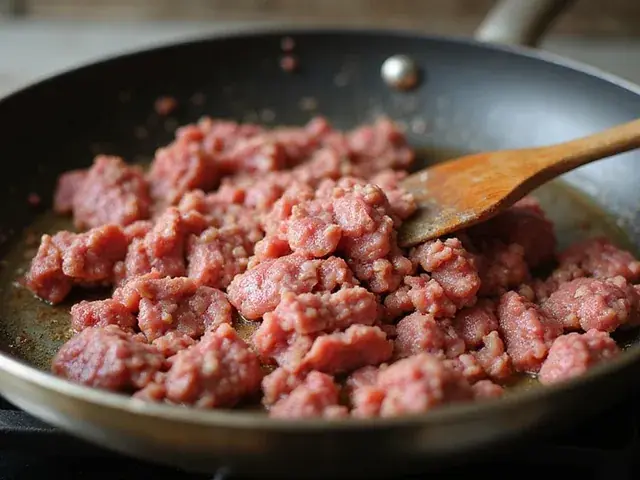
If 5% mince is what you have, it will still make a good pie. Brown it carefully so it colours rather than steams — the method is in our guide to how to brown mince for cottage pie. Use the full 400ml of hot beef stock from the tested recipe, simmer the filling gently rather than boiling it hard, and do not reduce the gravy further than the recipe asks. The onion, carrot and celery also help: softened properly, they add moisture and sweetness that lean meat lacks.
Fattier mince: richness you have to manage
At 15% and especially at 20%, the mince brings a deep, savoury richness that lean meat cannot match on its own. The filling tastes fuller, and the gravy feels rounder. The trade-off appears in the pan. As the mince browns, it releases a generous amount of fat, and that fat has to go somewhere. Left in place, it can separate during the simmer and rise through the mash, leaving oily patches on the finished pie.
The fix is simple and happens early. Brown the mince first, then tilt the pan and spoon off the obvious excess, leaving a glossy coating rather than a pool. Do this before the flour goes in, so the flour thickens stock and juices rather than a large quantity of fat. Skimming a spoonful from the surface during the simmer is also fine if more appears. What you should not do is drain the mince in a sieve and rinse it; that washes away browned flavour along with the fat.
Why 10% to 15% is the practical middle
The recommendation in this guide is editorial, based on how the percentages behave in a simmered, gravy-based filling. It is not a tested claim. The site's kitchen-tested recipe was cooked with ordinary beef mince, and the recipe card does not name a percentage, because the method works across the range with small adjustments to draining.
Within that middle range, 10% is the tidier choice: less fat to manage, a clean-tasting gravy, and enough richness for a family pie. At 15% the filling tastes more traditional and indulgent, closer to the pies many people remember, with a little more skimming to do. Either will serve the tested recipe well. If you are cooking for people who prefer a lighter pie, go to 10%. If the pie is the main event of a winter supper, 15% earns its place.
Fat percentage is not the same as quality
A higher price or a lower fat percentage does not guarantee better mince, and a fattier packet is not poor mince. What matters at the shelf is freshness and condition. Look for meat with a healthy red colour on the surface. The inside of a thick pack can look darker, even purplish, simply because it has had less contact with air; that on its own is not a warning sign. Grey or green patches, a sour or stale smell once the packet is opened, or a slimy, sticky surface are reasons not to use it.
Check the use-by date and choose a packet with time in hand if you are not cooking that day. Make sure the packaging is intact, with no tears and no excessive liquid sloshing inside. Keep the mince refrigerated on the way home and in the fridge until you cook, and if you freeze it, freeze it before the use-by date and defrost it in the fridge rather than on the worktop.
Never wash mince — and dry it before browning
Do not wash raw mince. Rinsing it under the tap does not clean it; it splashes raw meat juices around the sink and nearby surfaces, and the mince itself goes into the pan wetter than before. Any bacteria on the surface are dealt with by thorough cooking, not by water.
Surface moisture is the enemy of browning, so if the mince looks wet, spread it on a plate lined with kitchen paper and pat the top gently with another sheet just before it goes into the hot pan. Do not press it hard or leave it sitting at room temperature while you prepare everything else; a brief pat dry is all it needs. Then give it room in the pan and let the first side colour before you stir, as the browning guide explains.
Texture: fine, coarse and frozen mince
Most supermarket beef mince is ground to a medium texture that suits cottage pie: small pieces that mix evenly through the gravy. A very fine mince can cook down almost to a sauce, which some people like under a smooth mash. A coarse mince keeps distinct, chunkier pieces and a meatier bite. Neither is wrong; it is a preference, and the tested method works with the ordinary medium mince found in most shops.
Frozen mince is a practical standby, but treat it kindly. Defrost it fully in the fridge, pour away the liquid that collects, and pat it dry before browning, because thawed mince carries extra surface water and steams readily. Brown it in lots if the pan looks crowded. Cook it thoroughly once defrosted and do not refreeze it raw.

Putting it together with the tested recipe
Our cottage pie recipe uses 500g of beef mince with 1 large onion, 2 carrots, 2 celery sticks, 2 garlic cloves, 1 tbsp of plain flour, 2 tbsp of tomato purée, 1 tbsp of Worcestershire sauce, 400ml of hot beef stock, 1 tsp of dried thyme, a bay leaf and 100g of frozen peas, under 900g of floury potatoes mashed with 50g of butter and about 75ml of warm milk. It serves four, fills a dish of about 2.5 to 3 litres and bakes at 200°C conventional / 180°C fan / Gas Mark 6 for 25 to 30 minutes.
Any of the percentages in the table can be used with those quantities. The only adjustment is fat management: drain a pool from fatty mince, leave lean mince its gravy, and brown every type properly. Choose 10% to 15% when you have the choice, buy the freshest packet rather than the leanest one, and the mince will do its job.
Questions people ask
Not too lean, but it needs help. Lean mince can taste mild and eat dry if the gravy is thin or over-reduced. Brown it well for colour, use the full quantity of stock, simmer gently and keep the gravy generous. The softened onion, carrot and celery in the filling also add moisture and sweetness.
Our editorial recommendation is 15% for the fullest traditional flavour, or 10% if you prefer a tidier, lighter pie. Both sit in the practical middle range. The site's tested recipe does not specify a percentage; it was cooked with ordinary beef mince, and the method works across the range with small draining adjustments.
Yes, in part. Brown the mince first, then tilt the pan and spoon off the obvious pool of fat, leaving a glossy coating on the meat. Do it before the flour goes in, so the flour thickens stock and juices rather than fat. Do not rinse the mince in a sieve, which washes away flavour.
Fat percentage is only part of flavour. The usual cause is mince that steamed instead of browning, so it never developed colour. A hot pan, a shallow layer and patience before stirring fix that. Also check the basics: enough salt and pepper, the tomato purée cooked briefly with the flour, and a gravy that has simmered long enough to come together.
Check the use-by date, intact packaging and a healthy red surface colour. The inside of a thick pack may look darker from lack of air, which is normal. Do not use mince with grey or green patches, a sour or stale smell, or a slimy, sticky surface. When in doubt, throw it out rather than cooking it into a family pie.
No. Washing splashes raw meat juices around the sink and makes the mince wetter, which works against browning. Thorough cooking is what makes mince safe. If the surface looks wet, pat it dry briefly with kitchen paper just before it goes into the hot pan.