Best Potatoes for Cottage Pie Mash
By Michael
The topping is half the pie, and the potato decides its texture before the oven is even switched on. Choose well and the mash spreads, seals and crisps. Choose badly and it turns wet and gluey. This guide names the varieties that work, the ones to avoid, and how to rescue the wrong bag.
What "floury" actually means
Potatoes are usually sorted into three groups: floury, waxy, and the ones in between. The difference is mostly dry matter — how much of the potato is solid starch rather than water.
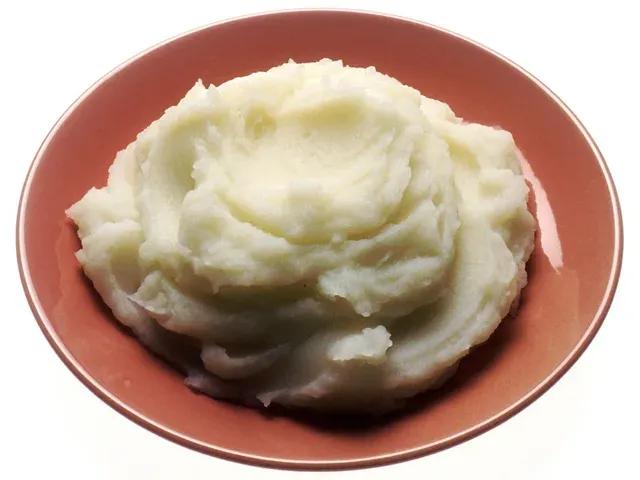
A floury potato carries a lot of dry matter. As it boils, its cells separate and it breaks down into a soft, dry crumble. That is exactly what mash needs. The dry flakes drink up butter and warm milk without turning wet, and the finished mash holds fork ridges in the oven.
A waxy potato has less dry matter and holds its shape firmly. That firmness is a virtue in salads and gratins, where you want neat slices. In mash it works against you. The cells resist breaking down, and the harder you work them, the more the mash turns sticky and gluey.
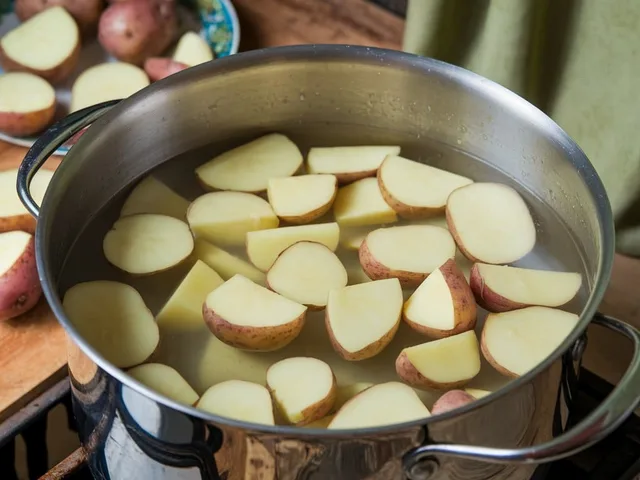
Floury potatoes need gentle handling at the boil. Cut them into even chunks, cover with cold water, and bring the pan up steadily rather than at a violent boil, which batters the chunks apart before their centres cook. Drain them the moment a knife slides in without resistance. Left sitting in their cooking water, even floury potatoes keep absorbing it — and a waterlogged potato is halfway to a wet topping before the butter goes in.
The main varieties, compared
British shops usually label potatoes by variety rather than by type, so it helps to know the names. These are the ones you are most likely to meet.
| Variety | Type | Mash result | Worth it? |
|---|---|---|---|
| Maris Piper | Floury | Light, fluffy and reliable, batch after batch | Yes — the first choice |
| King Edward | Floury | Very fluffy, almost creamy; the thin skins break easily when handled | Yes — an equal first choice |
| Desiree | Mid-way, leans waxy | Smooth but denser; turns heavy if overworked | Workable, with care |
| Estima and similar baking potatoes | Mid-way | Acceptable mash with a slightly waxy finish | Fine if that is what you have |
| Charlotte and other salad potatoes | Waxy | Gluey and wet; slumps into the filling rather than sealing it | No — keep them for salads |
If the bag does not name a variety, choose one labelled for mashing or baking rather than one labelled for salads. The words on the bag are a fair guide to the dry matter inside.
One trap to avoid: new potatoes. Whatever variety the bag names, new potatoes are harvested young and behave like waxy ones — firm, moist and determined to hold their shape. They are lovely boiled in their skins with butter. They are the wrong potato for this mash.
If you have bought the wrong potatoes
A mid-way potato, and even a waxy one, can still be rescued into a workable mash. The aim throughout is simple: take water out, and add as little as possible.
- Drain the boiled potatoes thoroughly in a colander.
- Return them to the hot, dry pan over a low heat for about a minute, shaking gently, so the surfaces dry and the steam escapes.
- Mash while the potatoes are still hot, before adding anything.
- Add the butter first, then warm milk a splash at a time. Stop earlier than you think — the mash loosens as you stir.
- Season, then use the mash straight away, while it is warm and easy to spread.
The result will not match a true floury mash. Dried properly, though, it will sit on top of the filling and hold together in the oven instead of sliding down into the gravy.
How much potato do you need?
Our cottage pie recipe — kitchen-tested — uses 900g of floury potatoes for a pie that serves four, in a dish of about 2.5 to 3 litres. The mash is finished with 50g of butter and about 75ml of warm milk.
Divided between four servings, 900g works out at roughly 225g of potato per person, weighed before peeling. That figure is simple arithmetic from the tested recipe rather than a rule of its own, but it is a handy guide when you scale. Half quantities need about 450g of potatoes; a double pie needs about 1.8kg.
Within reason, err on the generous side. A mean layer of mash cannot seal the filling or give you ridges to crisp, and a slightly thick topping is far easier to forgive than a thin one.
The butter and milk scale with the potatoes. The tested 50g of butter and about 75ml of warm milk belong to its 900g of potatoes, so a half batch takes roughly 25g of butter and 35 to 40ml of milk. Treat the milk figure as a ceiling rather than a target: add it gradually, and stop when the mash is soft enough to spread but still holds a ridge.
Buying and storing potatoes
Choose firm potatoes with sound skins — no soft spots, deep cuts or long sprouting eyes. Turn the bag over in the light before you buy, and check the bottom layer, where damage hides.
Avoid green potatoes, and do not eat them. The green colour develops when potatoes are exposed to light, and it signals natural toxins that cooking does not remove. A green potato belongs in the bin, not in the pan.
Sprouting is a lesser problem than greening. A potato with one or two short sprouts can still be used if it is firm — cut the sprouts and their eyes out generously. A potato that is heavily sprouted, shrivelled or soft has given up too much of itself, and belongs in the bin with the green ones.
At home, store potatoes somewhere cool, dark and dry — a cupboard or a paper or cloth bag is ideal. Light turns them green and warmth makes them sprout, so the back of a bright worktop is the worst of both.
Does the variety change the bake?
No. Whichever variety ends up in the mash, the assembled pie bakes in exactly the same way: 200°C conventional, 180°C fan, Gas Mark 6, for 25 to 30 minutes. Bake until the top is golden and the filling bubbles at the edges, then rest the pie for 5 to 10 minutes.
The variety changes the texture of the topping, not the oven's job. What can change the result is a wet mash or a thin filling underneath it — the two problems covered in our guide to mash sinking into cottage pie.
The variety does change how the top behaves once it is in there, though. A dry floury mash holds its fork ridges, and raised ridges have edges — and edges are what crisp. A wetter mash slumps as it heats: the ridges soften, the surface stays smooth and pale for longer, and the pie can look underdone well after it is ready.
Questions people ask
Yes, if they were floury potatoes boiled plainly, without oil or dressing. Warm them through, tip them into a hot dry pan for a minute to drive off surface water, then mash them hot with butter and a little warm milk. Leftover ready-made mash also works, but warm it gently first — cold mash is stiff and tears the filling as you spread it.
The red-skinned potato you will usually find in British shops is Desiree. It sits in the middle and leans waxy, so it mashes smoothly but densely. It makes an acceptable cottage pie topping if you dry the boiled potatoes well in the pan, add the milk gradually and avoid overworking it.
For the classic smooth topping, yes — peeling gives the smoothest mash, and it spreads and seals the most evenly. Skins-on mash is a different, rusticker topping: perfectly edible, but lumpier, harder to ridge, and the ridges crisp less evenly. If you leave the skins on, scrub the potatoes well before boiling.
There are two usual causes. The first is a waxy variety, whose cells resist breaking down however long you mash. The second is overworking: beating, whisking or processing any potato stirs its starch into glue. Cold milk makes things worse, because you stir for longer to mix it in. Use floury potatoes, mash by hand while hot, and add warm milk a little at a time.
Yes, but it makes a different pie: sweeter, softer and orange, with a wetter mash that needs thorough draining and a light hand with the milk. It is a variation on the dish rather than part of the tested recipe — you will find it among the cottage pie variations.
Buy floury, dry the potatoes well, and the topping largely looks after itself. The full method, with the tested quantities and timings, is in our cottage pie recipe.