Can You Freeze Cottage Pie?
By Michael
Cottage pie is one of the best dishes to make ahead, and the freezer is where it keeps longest. This guide covers freezing it baked or unbaked, defrosting it safely, and cooking it afterwards so the mash still crisps.
Baked or unbaked: which freezes better?
An unbaked pie has one clear advantage. The mash is baked only once, after defrosting, so it comes out closest to a freshly made pie. The top crisps properly and the filling tastes newly cooked.
A baked pie trades a little texture for convenience. It is already cooked, so it only needs reheating. That makes it the natural choice for leftovers, or for a pie you want ready with almost no work on the day.
| Frozen unbaked | Frozen baked | |
|---|---|---|
| Texture after cooking | Closest to freshly made; the mash bakes once and crisps well | Good, though the mash can soften slightly and release a little liquid |
| Work on the day | The full bake still to do, after defrosting | Only reheating, after defrosting |
| Best for | Making ahead, batch cooking, a pie built for the freezer | Leftovers, and single portions for easy meals later |
Our cottage pie recipe serves four and was kitchen-tested with beef. It doubles happily for batch cooking, and the method does not change. If you only want the pie ready for tomorrow rather than next month, our guide to making cottage pie ahead covers the fridge timings instead.
How to freeze cottage pie, step by step
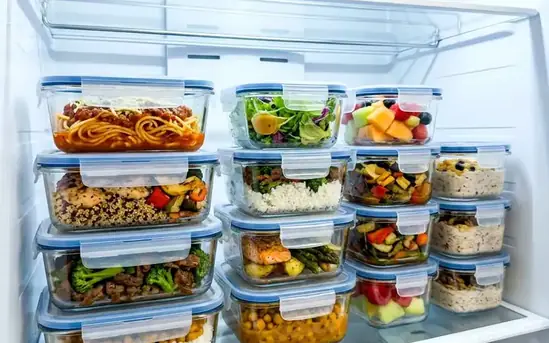
- Cool it quickly. Cooked food should be cooled and refrigerated within 1 to 2 hours. A deep dish cools slowly, so for portions, divide the pie into shallow containers, which lose heat much faster.
- Decide on portions or a whole pie. Both freeze well. The choice is about how you will eat it later — see the next section.
- Wrap it well. Press cling film over the surface of the mash, then cover the dish with foil. Or freeze the pie, or its portions, in a lidded freezer container. Air left in contact with the surface dries the mash out.
- Label it. Write the name, the date it was frozen, and whether it is baked or unbaked. Future you will not remember, and the two need different treatment.
- Freeze it level. Set the dish on a level shelf until it is solid. A tipped dish gives you a lopsided pie, and soft mash squashes easily under other food.
One point on assembly: if you are freezing the pie unbaked, build it with cold filling. Warm filling under cold mash makes steam, and steam makes a wet, slumping top. It also takes far longer to cool down. Let the filling cool properly, spread the mash over it, then wrap and freeze. The pie thanks you twice — once in texture, once in how evenly it freezes.
Portions or a whole pie?
A whole pie, in the usual dish of about 2.5 to 3 litres, suits a planned family meal. You defrost one dish, bake it once, and serve four people. It is the simplest route when you know the pie has a destination.
Portions suit almost everything else. They defrost faster and cook more evenly. You also heat only what you will eat, which matters, because a reheated pie cannot be reheated again. Nobody has to eat the same pie three nights running, and nothing is wasted.
One practical point: portion a baked pie while it is cold from the fridge, not warm from the oven. Cold portions cut cleanly and hold their layers.
Wrap individual portions tightly in cling film, then gather them in one lidded container or freezer bag. Wrapped separately, a portion lifts out on its own without disturbing the rest. Write the date on the container rather than on each portion — they were all frozen on the same day.
How long does it keep in the freezer?
Freezing pauses the clock that matters for safety, so the limit here is quality, not safety. For the best quality, use a frozen cottage pie within about 3 months. Treat that as a quality guideline, not a safety limit.
After that, the pie does not suddenly become unsafe. The mash gradually dries, the flavours dull, and the texture suffers. Safety is controlled at the other end of the process: defrost properly, then cook or reheat thoroughly, as set out below.
The label does the real work here. A date turns the freezer from a guessing game into a store cupboard: the oldest pies get used first, and nothing quietly reaches six months. If a pie has been frozen for so long that nobody can date it, treat it as a quality write-off rather than taking a chance on it.
Defrosting safely
Always defrost cottage pie in the fridge, which should be between 0 and 5°C. Never leave it on the worktop to thaw. The outside would sit warm for hours while the centre is still frozen.
Allow plenty of time. Portions defrost overnight; a whole pie may need a full day. Once the pie has defrosted, cook or reheat it and eat it within 24 hours. If plans change and you cannot use it in that window, it should be thrown away rather than kept.
Set the dish on a plate or a tray, on the bottom shelf of the fridge. A defrosting pie can leak a little liquid as it thaws, and the tray keeps it off everything stored below.
Cooking and reheating after freezing
For a defrosted unbaked pie, use the tested oven settings from the recipe: 200°C conventional / 180°C fan / Gas Mark 6. The tested bake of 25 to 30 minutes was for a pie assembled with hot filling. A defrosted pie starts cold, so it needs longer — allow roughly 40 to 50 minutes as an estimate, and judge by the centre check, not the clock.
For a defrosted baked pie, you are reheating rather than cooking. The full method is in our guide to reheating cottage pie without drying it out. In brief: keep it covered for most of the reheating so the mash stays moist, then uncover it at the end so the top crisps.
Whichever pie you have, the finish is the same. Check the centre with a food probe: it should read at least 75°C. Without a probe, look for the filling bubbling and steam rising at the centre. Then rest the pie for 5 to 10 minutes before serving — and remember, it can be cooked or reheated only once.
What changes after freezing?
Very little, if the pie was wrapped well. The mash can weep slightly as it defrosts, leaving a little liquid on the surface. Most of it is absorbed again during baking, and any remainder can be blotted away before the pie goes into the oven.
The peas hold up well — they were frozen peas to begin with, in our recipe. The gravy usually needs nothing at all: it returns to the same consistency it had before freezing. The mash on a baked-and-frozen pie may be a touch less fluffy than a once-baked top, but ridged with a fork and reheated uncovered at the end, it still crisps.
One judgement call remains: how the pie seems after defrosting. Defrosted in the fridge and used within 24 hours, it should smell exactly like cottage pie. If it smells off, or the defrosting ran well past that window, do not cook it and hope for the best. Throw it away. No pie is worth the risk.

Questions people ask
Yes. Grated cheese freezes happily on top of the mash, baked or unbaked. It may be very slightly crumbly after defrosting, but it melts and browns as usual in the oven. Freeze the pie exactly as described above, cheese and all.
It is possible, but we do not recommend it. A pie cooked from frozen heats unevenly: the edges can overcook while the centre is still cold, and the centre is the part that must end piping hot. Defrosting in the fridge first is slower but far more reliable, and the texture is better.
No. A cottage pie can be reheated only once. Anything left after that reheating should be thrown away, not frozen again. Freezing in portions avoids the problem: you only ever reheat what you will eat.
It can turn very slightly grainy, especially on a pie that was frozen after baking. Well-drained potatoes and the butter in the mash both help. In practice the difference is small, and a fork-ridged top, crisped at the end of cooking, hides most of it.
Both work. A foil tray is light, frees up your good dishes, and can go from fridge to oven after defrosting — but it is flimsy and has no lid, so wrap it well. A ceramic dish is sturdier and serves better at the table. Either way, defrost in the fridge first; no dish should go straight from a cold fridge into a hot oven without a pause.
Freezing is the easiest way to keep a good pie good. Make a batch from the cottage pie recipe, freeze it in portions, and dinner is already half done. When a frozen pie reaches the table, the reheating guide will get it there without drying out.