Cottage Pie for One: A Single-Portion Recipe
By Michael
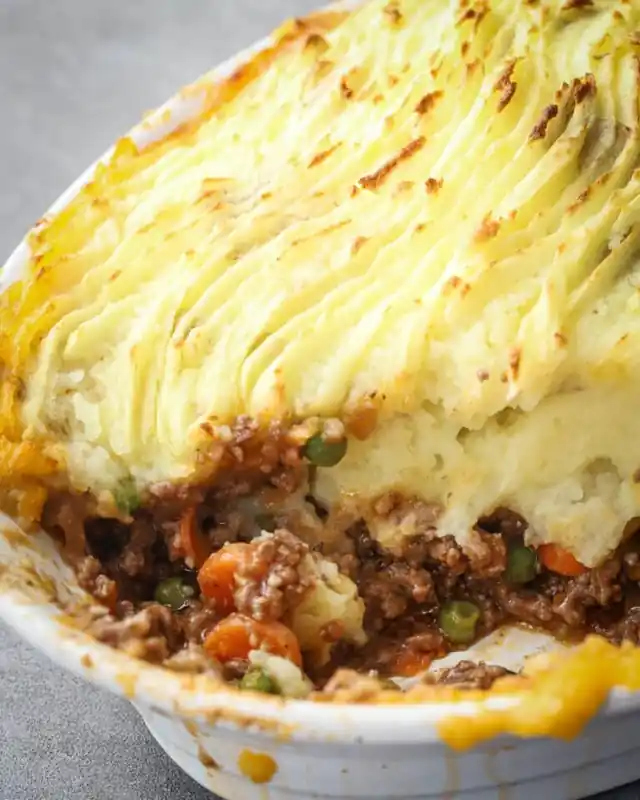
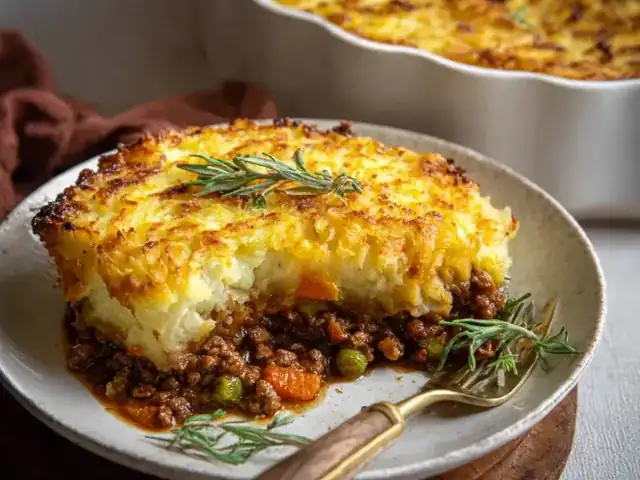
Most cottage pie recipes serve four, which is no help when you are cooking for yourself. This version takes the kitchen-tested recipe and quarters it: one portion, one small dish, the same beef filling and mash, with the quantities and timings worked out for a single serving.
Why a whole post about one portion?
Because quartering a recipe is not as simple as it sounds. Dividing 500g of mince by four is easy. Dividing one onion, two carrots and two garlic cloves by four is not — nobody cooks with a quarter of an onion and half a clove of garlic unless someone tells them how to handle it sensibly. And the timings do not divide at all: a quarter of the food does not take a quarter of the time, so the tested timings need adjusting, honestly and with the reasoning shown.
There is also a gap in the recipe itself. The serving scaler on the cottage pie recipe adjusts quantities for 2, 4, 6 or 8 servings, but it does not go down to 1. This post fills that gap. If one portion still sounds like a lot of work for one meal, read to the end: for some cooks, making the full tested pie and freezing it in portions is the better answer, and there is no shame in that being true.
Cottage pie for one: quantities
| Ingredient | Tested recipe (serves 4) | For one |
|---|---|---|
| Sunflower or vegetable oil | 1 tbsp | 1 tsp |
| Beef mince | 500g | 125g |
| Onion | 1 large, finely chopped | Half a small onion, finely chopped |
| Carrots | 2, finely diced (about 200g) | Half a carrot, finely diced (about 50g) |
| Celery | 2 sticks, finely diced | Half a stick, finely diced |
| Garlic | 2 cloves, crushed | Half a clove, crushed |
| Plain flour | 1 tbsp | 1 tsp |
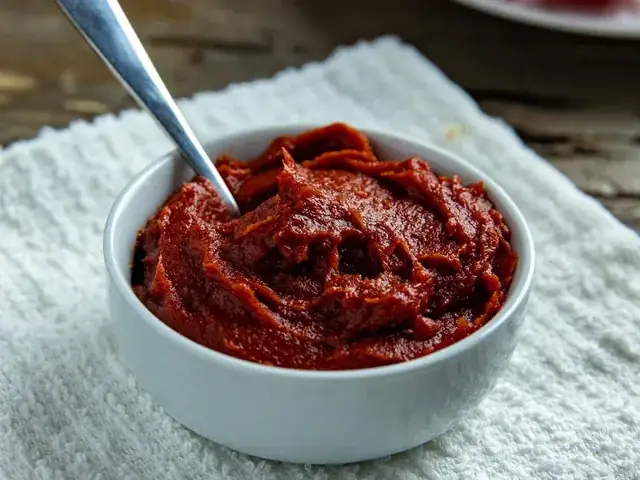
| Tomato purée | 2 tbsp | 2 tsp |
| Worcestershire sauce | 1 tbsp | 1 tsp |
| Hot beef stock | 400ml | 100ml |
| Dried thyme | 1 tsp | A good pinch (about ¼ tsp) |
| Bay leaf | 1 | 1 small one, or half a large one |
| Frozen peas | 100g | A small handful, about 25g |
| Floury potatoes | 900g (Maris Piper or King Edward) | About 225g |
| Butter | 50g | A knob, about 12g |
| Warm milk | About 75ml | A splash, about 20ml |
| Salt and black pepper | To taste | To taste |
A few of these deserve a word. Half a small onion is easier to chop finely and cook evenly than a quarter of a large one. Half a garlic clove sounds fussy, but a whole clove in a quarter of the filling makes garlic the loudest flavour in the dish; crush half and keep the other half for tomorrow. The bay leaf can go in whole if it is small — it comes out again, so it flavours rather than overwhelms. And the remaining vegetables are not waste: half an onion, half a carrot and half a stick of celery, wrapped and kept in the fridge, are the start of tomorrow's soup or sauce.
The dish: small, but not too small
The tested pie uses a dish of about 2.5 to 3 litres. A quarter of the food needs a dish of roughly 0.6 to 0.75 litres (estimate) — a small ovenproof dish, a deep individual pie dish, or a large ramekin of that capacity. The aim is the same depth as the full pie: filling about 2.5cm deep with mash on top. Depth matters more than shape, because a thin, wide layer dries out in the oven while a deep small portion stays moist.
Too small is as much a problem as too big. If the filling reaches the rim before the mash goes on, the gravy will bubble over and the mash has nowhere to sit. If your only small dish is a little under the size, hold back a spoonful or two of filling rather than forcing it all in — the cook's portion, eaten standing at the hob, is an honourable tradition.
The method, scaled
- Heat the oven to 200°C conventional / 180°C fan / Gas Mark 6 — the tested settings, unchanged.
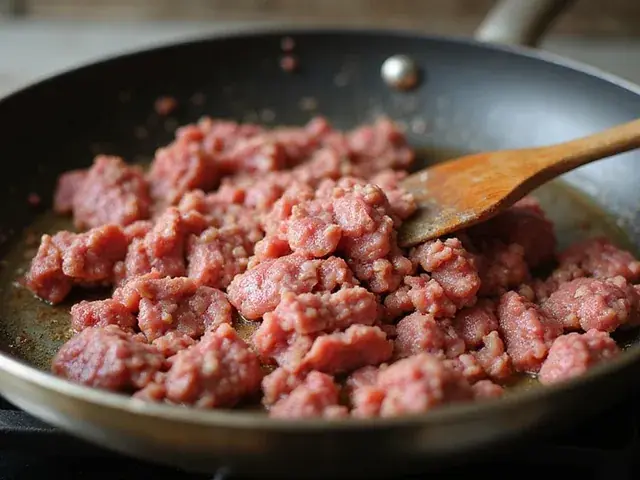
- Brown the mince. Heat 1 tsp of oil in a small pan or frying pan and brown the 125g of mince, breaking it up as it cooks. A small amount of mince browns quickly, in about 4 to 5 minutes (estimate). Lift it out with a spoon and set it aside, as in the tested method.
- Soften the vegetables. In the same pan, soften the onion, carrot and celery until the onion is translucent and the carrot is losing its rawness — about 5 minutes (estimate). Stir in the garlic for the last half minute.
- Build the gravy. Return the mince to the pan. Stir in 1 tsp of plain flour and cook it for a minute, then stir in the tomato purée and Worcestershire sauce. Pour in 100ml of hot beef stock, add the thyme and bay leaf, and stir well. A teaspoon of flour thickens 100ml of stock to the same consistency as the tested gravy, because the ratio is unchanged.
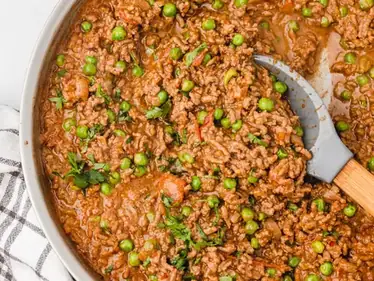
- Simmer, but for less time. Let the filling simmer gently until the gravy is thick and the carrot is tender — about 10 to 12 minutes (estimate), rather than the longer simmer of the full batch. Less liquid reduces faster, so watch it: you want thick, not dry. Stir in the peas, season with salt and pepper, and take out the bay leaf.
- Make the mash. While the filling simmers, boil the potatoes — about 225g, peeled and cut into even chunks — until tender. Drain, steam-dry briefly in the hot pan, then mash with the knob of butter and a splash of warm milk, about 20ml. Season. The method is the tested one; only the amounts are smaller.
- Assemble. Spoon the filling into your small dish, add the mash in dollops, spread it to the edges and seal it, then ridge the top with a fork — exactly as the full pie is assembled.
- Bake for about 20 minutes (estimate) at the same temperature, until the top is golden at the ridges and the filling is bubbling at the edges. A single portion heats through faster than a family pie, which is why the tested 25 to 30 minutes comes down — but the clock is a guide, not the judge.
- Check the centre and rest. The centre must be steaming hot all the way through: at least 75°C if you use a probe, or steam rising and the filling bubbling when you push a knife into the middle. Rest the pie for a few minutes before eating — even a small pie settles and slices better for it.
Why the timings are estimates, and why the cues matter more
The quantities in the table are exact — each one is a quarter of the tested recipe, and the proportions are therefore the tested proportions. The timings cannot be exact in the same way. A quarter of the filling reduces faster, heats faster and bakes faster, but by how much depends on your pan, your dish and your oven. That is why every changed timing in this post is marked as an estimate, and why this version is honestly described as not separately kitchen-tested.
What never changes, at any size, is how you tell the pie is done. The mash is golden at the ridges. The filling bubbles at the edges of the dish. The centre is steaming hot — at least 75°C on a probe — rather than merely warm. Judge a small pie by those cues and the estimates become a starting point instead of a risk.
One more caution belongs here. A single portion in a small dish has less thermal mass than a family pie, so it goes from bubbling to dry faster if it is left in the oven while you do something else. Set a timer when it goes in. The tested recipe's timers work just as well for 20 minutes as for any other interval.
The honest alternative: cook four, freeze three
For some cooks, a from-scratch single portion is not the best use of an evening. The work scales down, but not by much: you still brown, chop, simmer, mash, assemble and wash up, all for one plate. If that sounds like your situation, the better answer may be to cook the full tested pie, eat one portion tonight, and freeze the other three. Our guide to freezing cottage pie covers cooling, wrapping and reheating in full. In brief: cool and refrigerate within 1 to 2 hours, keep the fridge between 0 and 5°C, eat fridge-stored leftovers within 2 days or freeze the portions, and reheat only once, until steaming hot all the way through.
Between the two extremes sits the two-portion version. If your household is really "one, plus tomorrow", our cottage pie for two halves the tested recipe and needs no leftovers plan at all. Cooking for one, two or four is the same dish and the same method — only the arithmetic and the patience required change.
Questions people ask
No — the scaler on the recipe page adjusts quantities for 2, 4, 6 or 8 servings, but not for 1. That gap is exactly why this post exists. Use the table above for the quantities, and the tested recipe for the method.
Roughly 0.6 to 0.75 litres (estimate) — a small ovenproof dish or a large individual pie dish. The aim is the same depth as the full pie, with the filling about 2.5cm deep and the mash on top. If the filling reaches the rim before the mash goes on, the dish is too small; hold back a spoonful of filling.
About 20 minutes (estimate) at 200°C conventional / 180°C fan / Gas Mark 6, compared with 25 to 30 minutes for the tested family pie. A single portion heats through faster, but treat the time as a guide: the pie is done when the filling bubbles at the edges and the centre is steaming hot, or at least 75°C on a probe.
It is worth it. A whole clove in a quarter of the filling makes garlic dominate a dish where it should sit in the background. Crush half a clove and keep the rest, wrapped, in the fridge for another meal. If your cloves are very small, use a whole small one — the aim is proportion, not precision for its own sake.
A large ovenproof ramekin of about 0.6 to 0.75 litres works well. An ordinary mug is usually too small, may not be ovenproof, and its narrow shape makes the filling too deep to heat evenly. Check any dish is marked ovenproof before it goes into a hot oven.
Both are good answers to different evenings. A single portion is fresh, exact and needs no freezer space. A full pie gives you three frozen portions for almost the same effort, at the cost of reheating rather than baking fresh. Many solo cooks do both: a fresh single pie when they fancy cooking, and frozen portions for the nights they do not.
The full method, with step photographs, is in the cottage pie recipe — follow it with the quantities from the table above. Cooking for two instead? The cottage pie for two post halves everything for you, and the freezing guide covers the cook-four, freeze-three approach.